
Capturing the Contrast: the Poetry of Wisława Szymborska
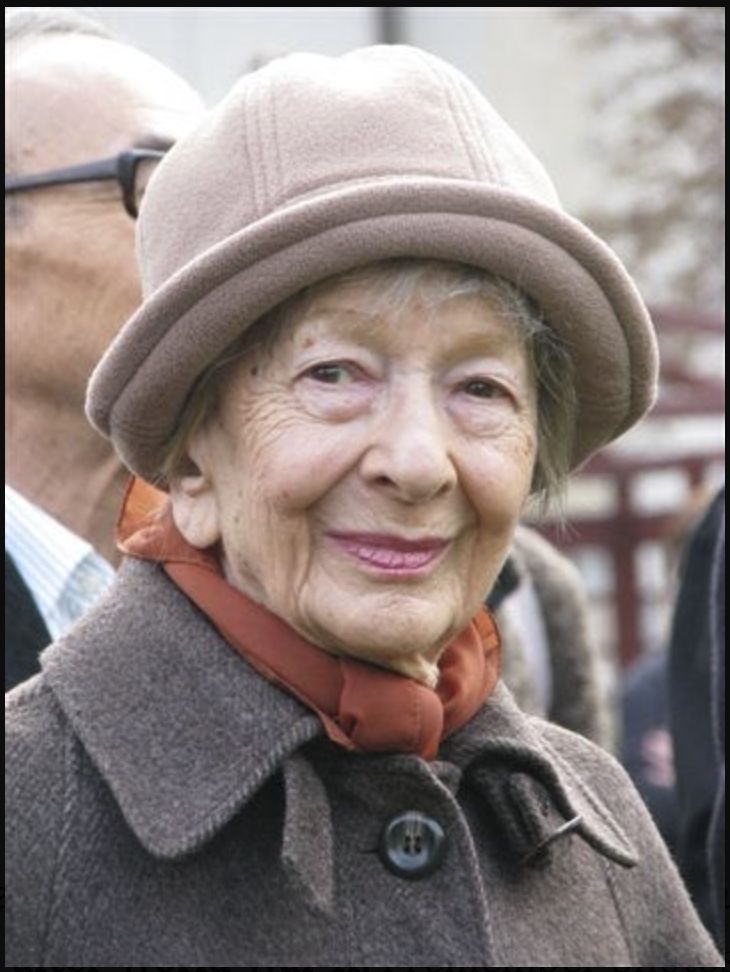
Should you be lucky enough to survive the war, another war will find you, they used to say at home after World War II. I remember photos of the Trümmerfrauen, the “rubble women,” who cleaned the streets of Berlin and Dresden manually. These women cleared some five hundred million cubic meters of rubble with their bare hands. I remember the many female characters in Heinrich Böll’s novels and short stories who fought an endless war against dirt and dust, often cold, hungry, and alone. I read Polish, Nobel Prize winning poet, Wisława Szymborska in this context. Who has better described wars after wars than she? Here is the first half of her poem “The End and the Beginning” (translated By Joanna Trzeciak):
After every war
someone has to clean up.
Things won’t
straighten themselves up, after all.Someone has to push the rubble
to the side of the road,
so the corpse-filled wagons
can pass.Someone has to get mired
in scum and ashes,
sofa springs,
splintered glass,
and bloody rags.Someone has to drag in a girder
to prop up a wall.
Someone has to glaze a window,
rehang a door.Photogenic it’s not,
and takes years.
All the cameras have left
for another war.